Coding agents
Build a practical understanding of coding agents from the underlying principles.
AUTOMATE · 35 ARTICLES
Move beyond chat and delegate real development work with sound command, permission, tool, context, and safety practices.
Topic map
Build a practical understanding of coding agents from the underlying principles.
Build a practical understanding of agents and mcp from the underlying principles.
Build a practical understanding of context engineering from the underlying principles.
Build a practical understanding of vibe coding from the underlying principles.
Start here
A guided path from fundamentals to the next step.
The Claude Code /init command analyzes your codebase and automatically generates CLAUDE.md. This covers its behavior when a file already exists, migrating Cursor and Copilot rules, interactive mode, and how to refine the generated file.
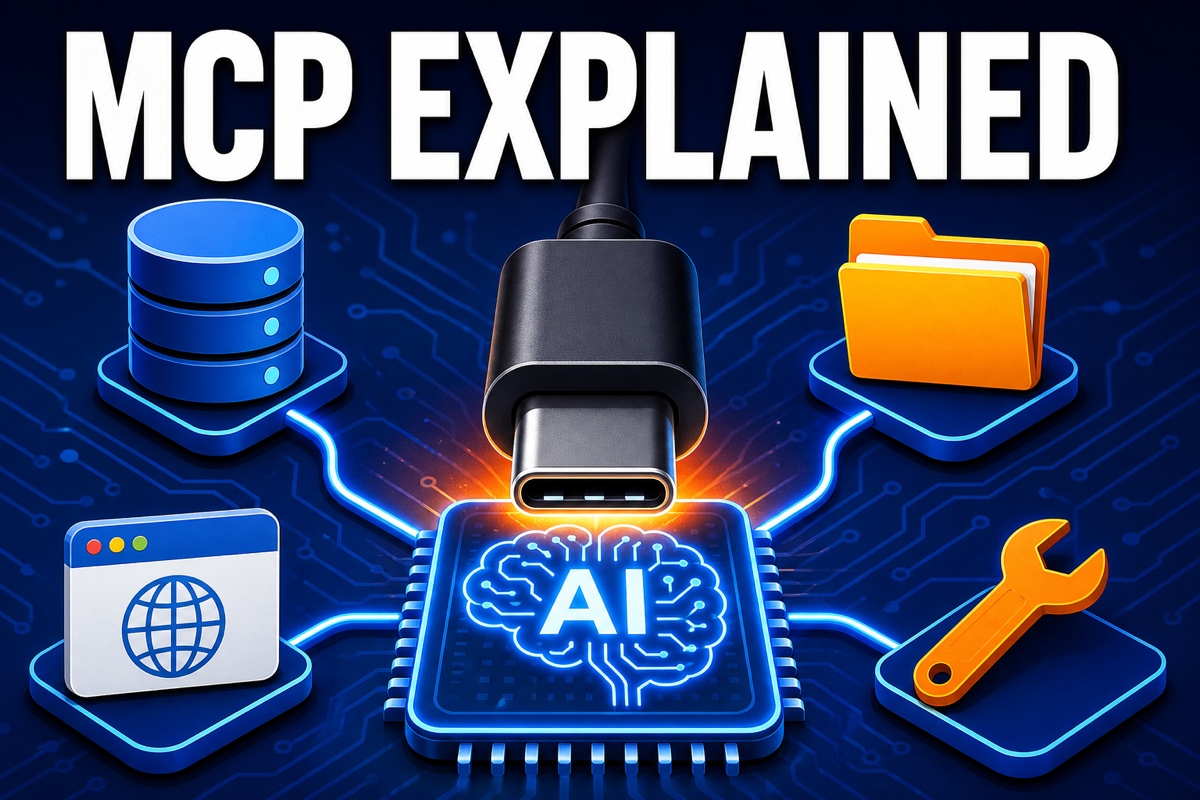
Read articleUsing ChatGPT or Claude can leave you wanting more. The models are smart, but they cannot see your database or read your internal wiki.
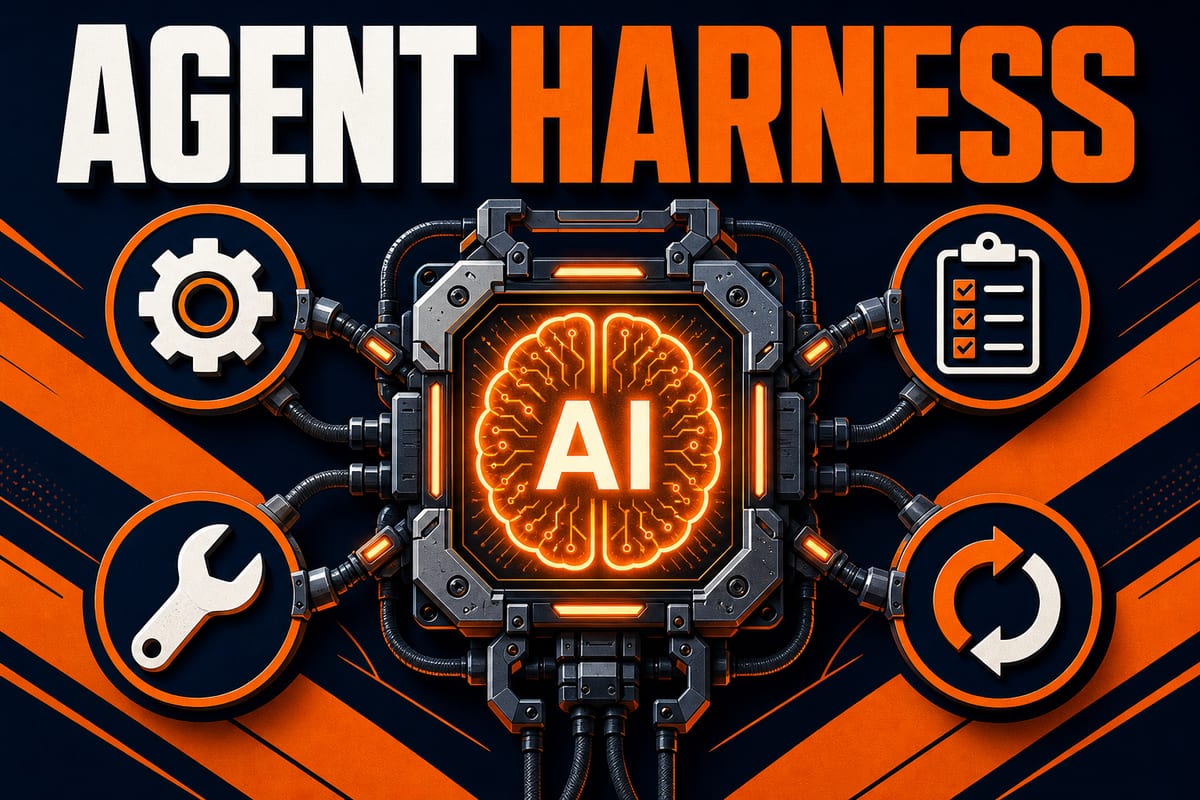
Read articleA harness is the execution loop wrapped around a model. We cover its components—tools, permissions, context management, and feedback—the reason agent performance is determined by the product of model intelligence and harness quality, and what makes a good harness.
Read articleAll articles
Claude Code permissions use allow, ask, and deny rules, evaluated with deny first. This article covers /permissions, Bash wildcard syntax, Shift+Tab mode cycling, and settings-file precedence.
Read articleClaude Code plan mode requires approval of a plan before changing code. This covers enabling it with Shift+Tab or /plan, the three approval options, editing plans with Ctrl+G, and setting defaults.
Read articleVibe Coding mishaps are decided when you write the first rule file, not when you read the code. Here are five rules for CLAUDE.md and .cursorrules covering security, duplication, architecture, completion criteria, and scope, with example wording.
Read articleA design that splits AI content generation into independent stages—generation, review, asset creation, and publication—instead of relying on a single prompt. It covers fixed output schemas, separate review, and preserving the original even when a stage fails.
Read articleSDD (Spec Driven Development) is a methodology that finalizes specifications in documents before asking for code and treats them as the single source of truth. This guide covers the four-step spec·plan·tasks flow, two tools, and how it differs from vibe coding.
Read articleA larger context window is not inherently better; higher relevance is. This article summarizes four strategies—selective loading, summarization, isolation, and externalization—for using a finite window like a budget, along with design criteria for always-loaded files such as CLAUDE.md.
Read articleSix security checks to complete before publishing your app link. Assuming attackers cast a bot-driven net without choosing targets, this covers the doors commonly breached in vibe-coding apps: RLS, authorization checks, input validation, and more.
Read articleoh-my-design is an open-source CLI that installs a DESIGN.md design workflow in Claude Code, Codex, and Cursor. We examine 440 enterprise references, evidence practices, skill structure, and pre-writing cautions.
Read articleDESIGN.md is a design-system file convention for AI coding agents, open-sourced by Google Stitch. This guide covers YAML tokens, Markdown structure, the lint·export CLI, connecting it to Claude Code·Cursor, and its limitations.
Read article"I woke up to a cloud bill of several million won." Posts like this appear regularly in vibe-coding communities, and they are enough to make anyone's stomach drop. A hobby app has returned a month's salary as an invoice. The scary part is that this is not an accident limited to unusually careless people. If you do not understand the billing model, it can happen to anyone. Billing…
Read articleThe AI covered in the previous seven installments was ultimately a “ask-and-answer” tool. People drove the conversation: refining questions, providing materials, and verifying answers. But the next step the AI industry has pursued for the past two years is different in kind. AI agents do not just converse—they take on the work itself.…
Read article“I didn’t touch a single line of code, but the app that worked fine yesterday doesn’t work today.” It’s the most common complaint in vibe-coding communities—and one of the most mysterious situations. It feels like a ghost story, but the suspects are actually limited. Investigate them in order, and you can usually catch the culprit before noon…
Read article