
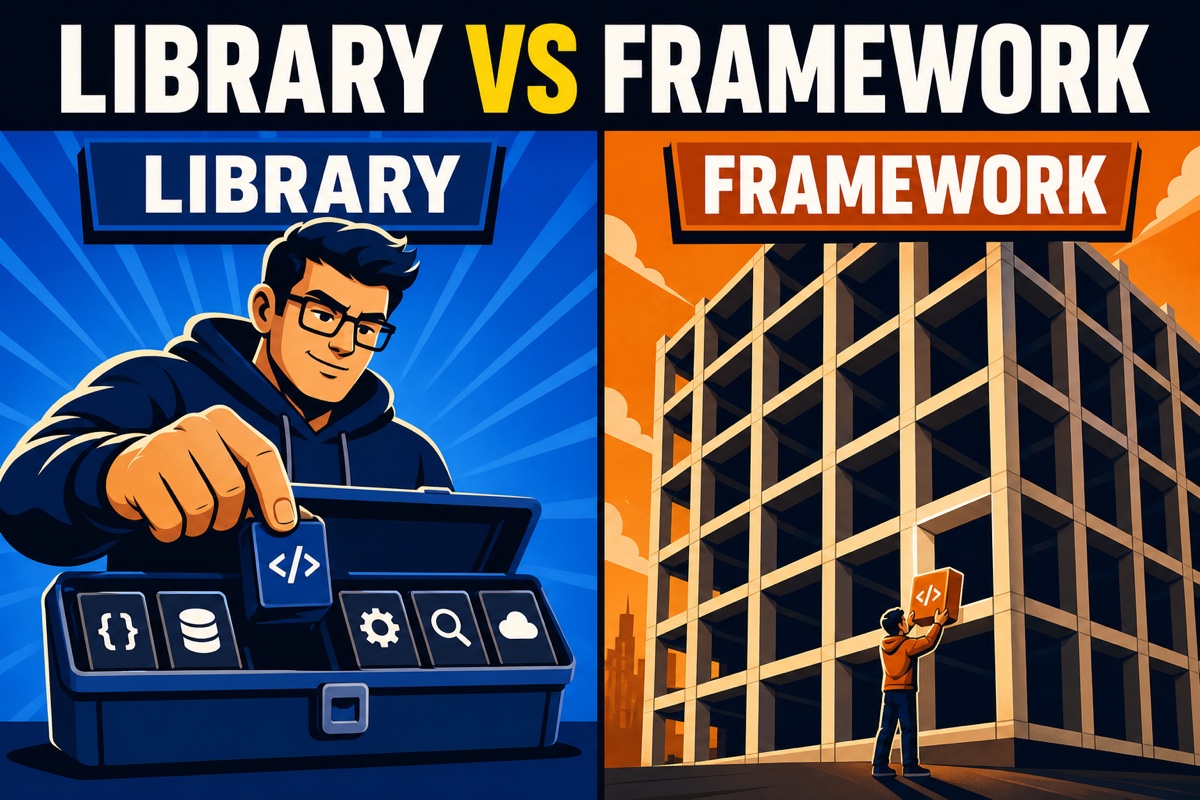
Library vs. framework: “Who calls whom?” (Inversion of Control)
We call Alamofire a library and SwiftUI a framework. But aren’t both just “using code written by someone else”? What’s the difference?
Read articleARCHIVE · 20
Follow the trail from foundational concepts to practical engineering decisions.
We call Alamofire a library and SwiftUI a framework. But aren’t both just “using code written by someone else”? What’s the difference?
Read article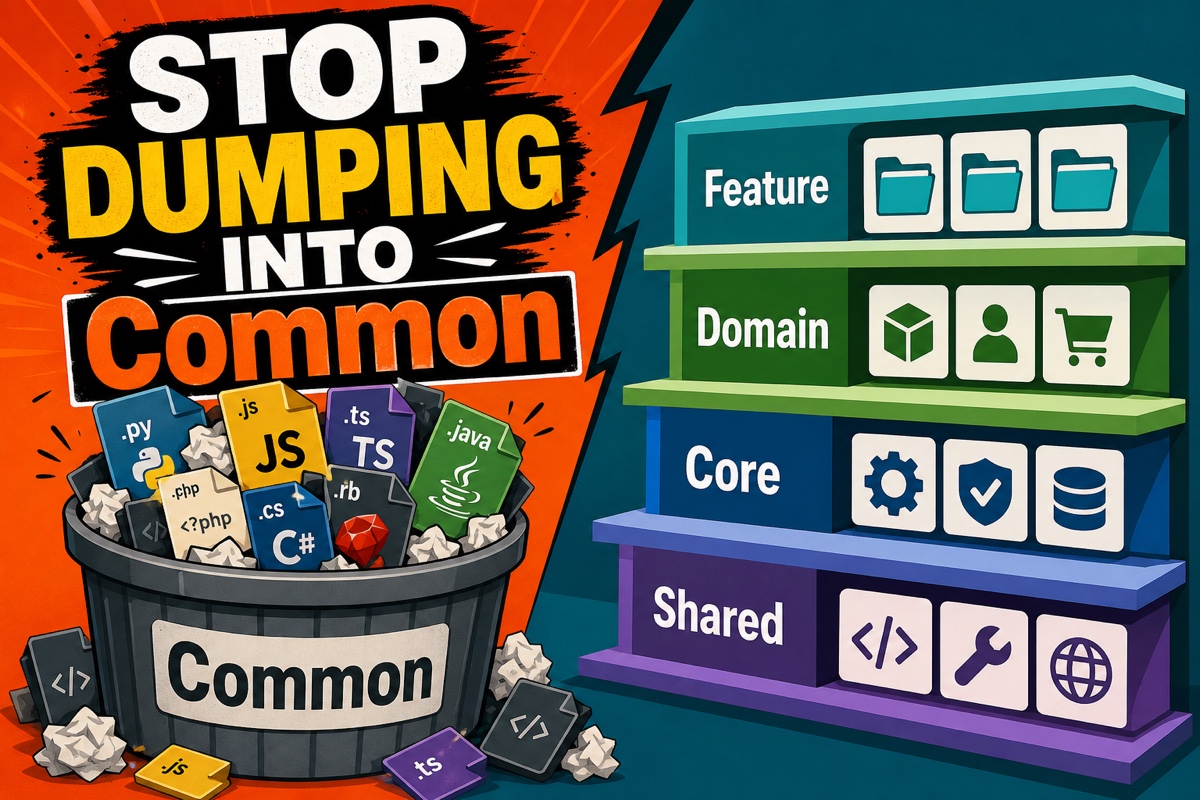
Most teams modularizing a project eventually create modules named Common, Core, or Utils.
Read article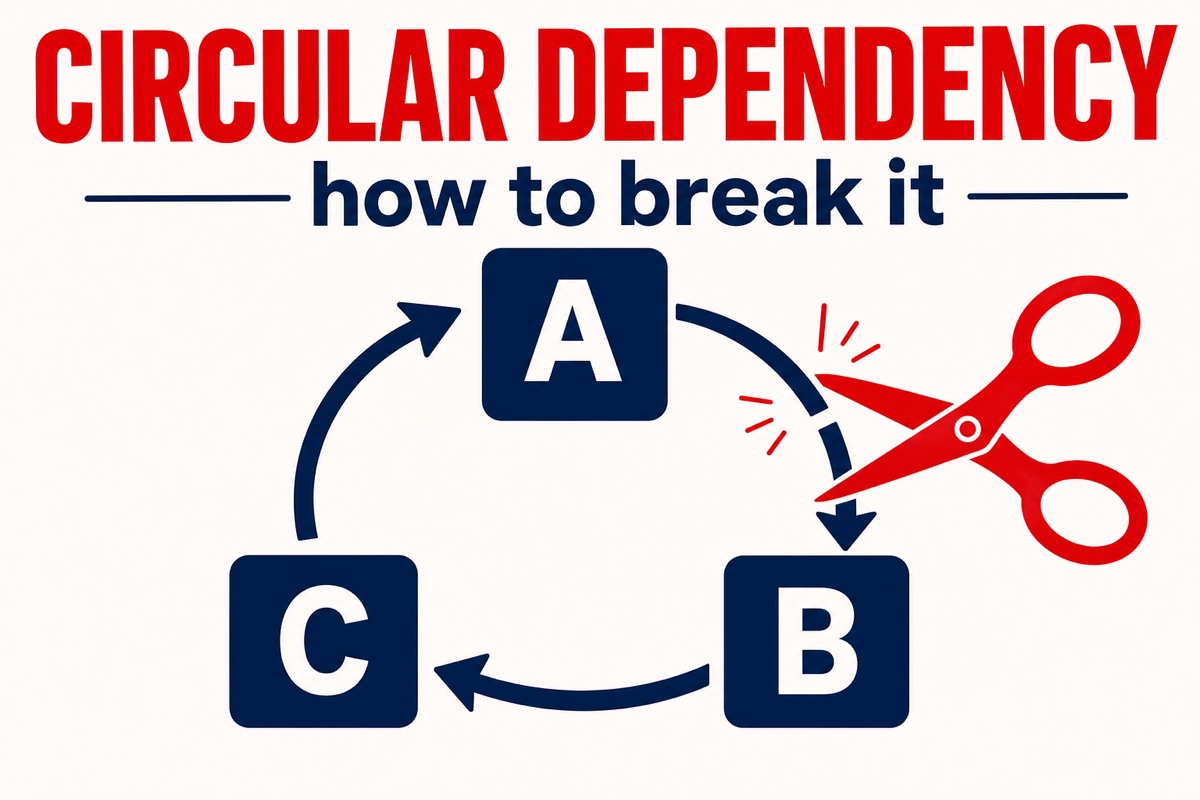
In the previous article, we summarized modularization as “grouping things that change together to establish boundaries.”
Read article
In earlier installments, we explored ways to conserve context: clear history at each work boundary (Part 3) and keep fixed overhead short (Part 4). Yet some tasks remain too large to handle. A typical example is, “Figure out how payment logic flows through this codebase.” A diligent agent would read dozens of files, and as we saw in Part 1, everything it reads accumulates in context. By the time the investigation is complete, no context remains for the actual work that knowledge enables—changing the code.
Read article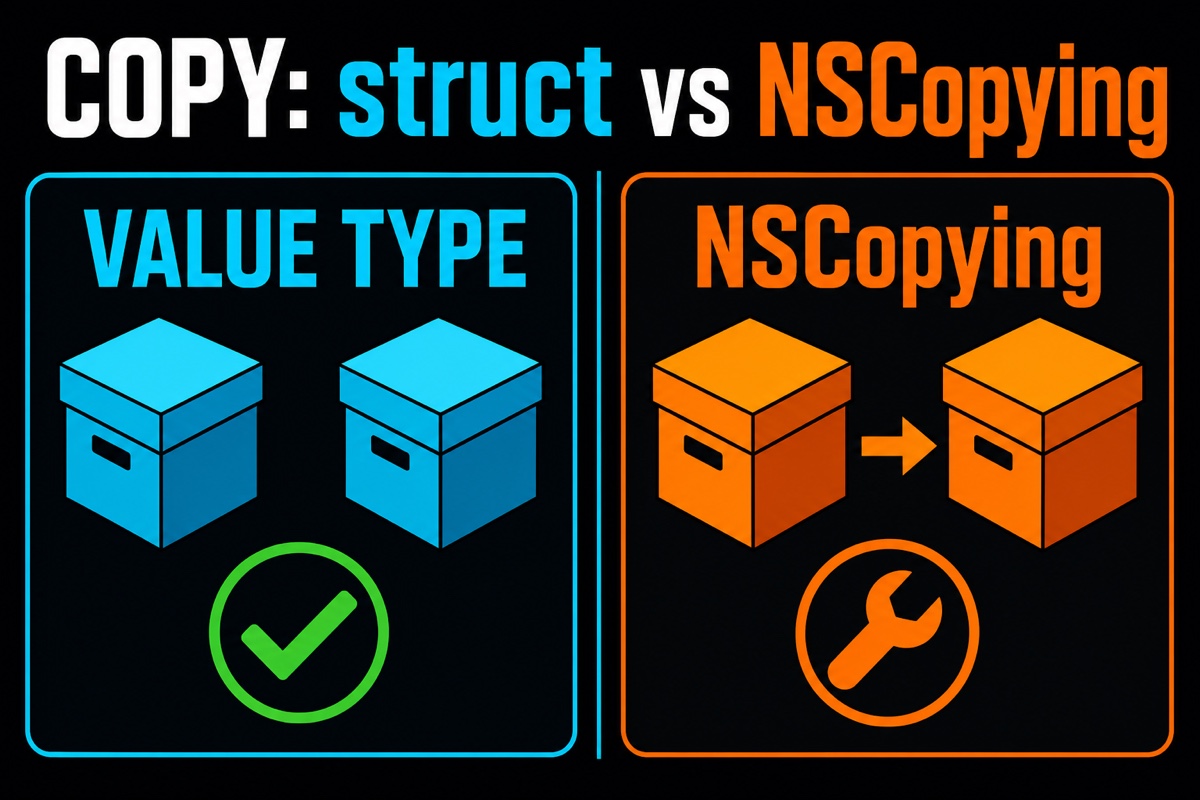
The Prototype pattern reduces creation costs and duplicated setup by cloning existing objects. This article summarizes how Swift value-type copying differs from NSCopying in classes, and where shallow copying and Copy-on-Write come into play.
Read article